 English
 Русский

Hosting provider Bit·Hosting has expanded its geographic footprint. The company launched virtual private server rentals in Poland, with the new equipment placement point located in the city of Gdynia. This step increases the number of available European locations in the provider's portfolio to 10.
Who Needs the Baltic Node
Placing equipment in Gdynia solves specific tasks for projects targeting audiences in Central and Eastern Europe. This geography ensures minimal signal latency for users in Poland, Germany, and the Baltic states. The location suits e-commerce stores, regional media, and corporate portals that must comply with European data storage regulations. Proximity to major traffic exchange routes allows projects to bypass unnecessary routing nodes.
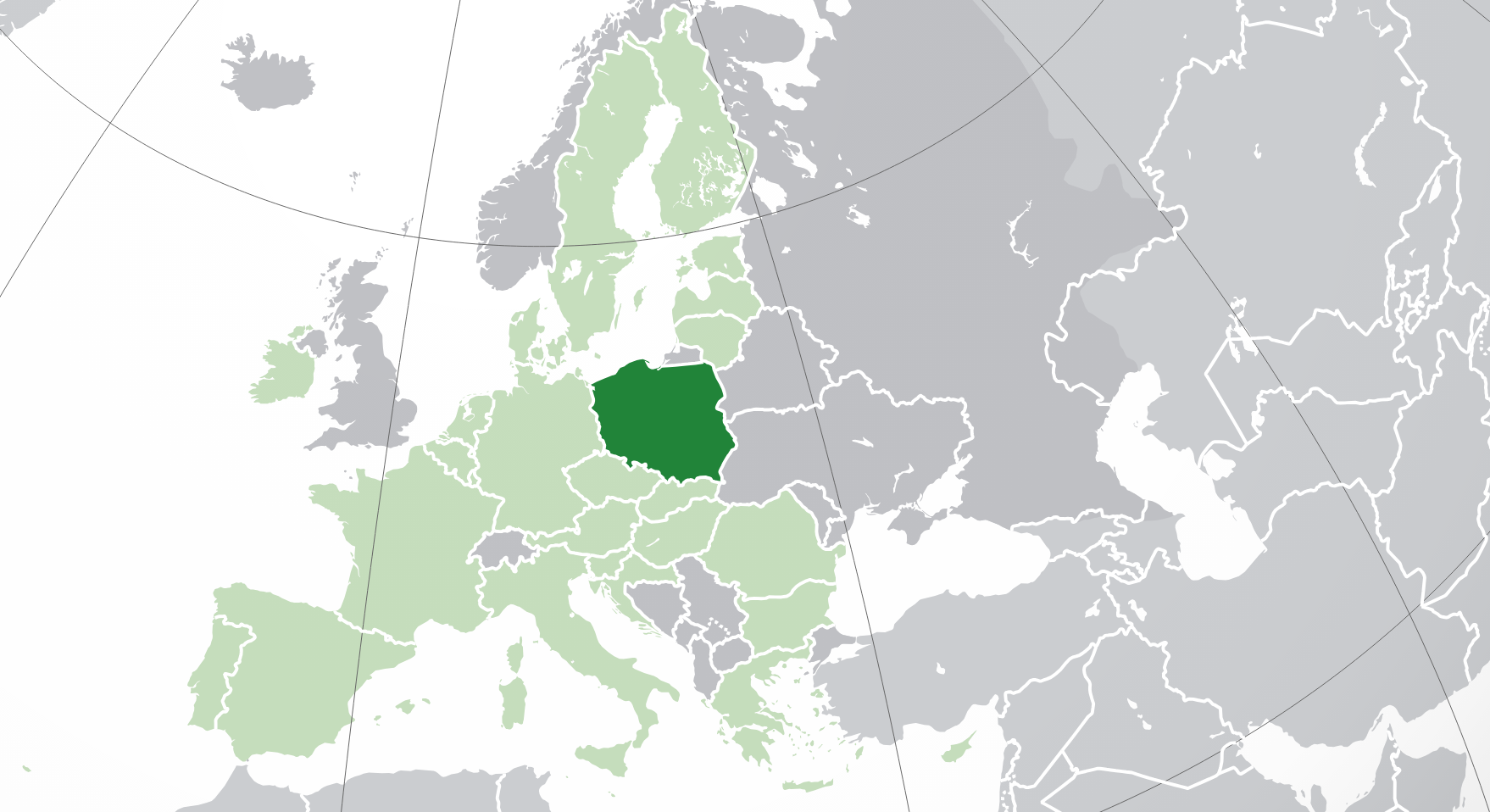
Poland on the map. Image: Wikipedia
Hardware Base and Software Environment
The base BitStart [PL] configuration includes one virtual core, 1 GB of ECC RAM, and 15 GB on a solid-state drive. The network port offers a bandwidth of approximately 100 Mbps with no limits on transferred data volume. Virtualization relies on KVM technology.
Resources scale up to 32 processor cores, 64 GB of memory, and 500 GB of disk space upon request. Network connection speed in higher-tier configurations reaches 1 Gbps. Clients have access to Vesta, Virtualmin, CyberPanel, and ISPmanager control panels. The system supports Windows, Linux, and custom ISO images.
Financial Terms and Timeframes
Renting the minimal configuration costs $5 per month. To attract attention to the new region, the provider activated the promo code POLAND, which grants a 40 percent discount on new orders. This offer remains valid until July 29, 2026. Users apply this specific character combination during the rental agreement checkout process.
The appearance of a new location reflects standard industry practice for hosting companies expanding into new markets. Providers add nodes in popular jurisdictions to diversify risks and reduce network latency. Clients gain additional options for geo-distributing their infrastructure, while the cloud services market continues its gradual fragmentation.