 English
 Русский

Hosting provider Sprintbox has expanded its infrastructure map with a new overseas location for virtual servers. The company’s “boxes” are now available in Germany, with deployments running from Frankfurt. European data centers are increasingly starting to look like a mandatory checkbox for VPS providers with international ambitions. The internet has been operating without visas for years, and infrastructure is trying to keep up.
Pricing: From Promo Tier to Dual-Core Configuration
Sprintbox introduced three Germany-based VPS plans powered by NVMe storage.
| Plan | CPU, cores | RAM | NVMe | Monthly price |
|---|---|---|---|---|
| FRA Promo | 1 | 512 MB | 10 GB |
429 RUB ~ $6 |
| FRA | 1 | 1 GB | 20 GB |
649 RUB ~ $9 |
| FRA x2 | 2 | 1 GB | 40 GB |
1,099 RUB ~ $15.5 |
All configurations are already available through the provider’s control panel.
Who the Frankfurt Location Is Built For
The new location is aimed at projects that need infrastructure positioned closer to international routes, foreign APIs, and users outside Russia. According to the provider, the German site can work either as a standalone deployment point or as part of a distributed infrastructure setup.
The Frankfurt-based VPS platform is particularly suited for services working with European and North American audiences, external APIs, and international cloud platforms. That includes web applications, proxy services, testing environments, internal business systems, and backup infrastructure nodes.
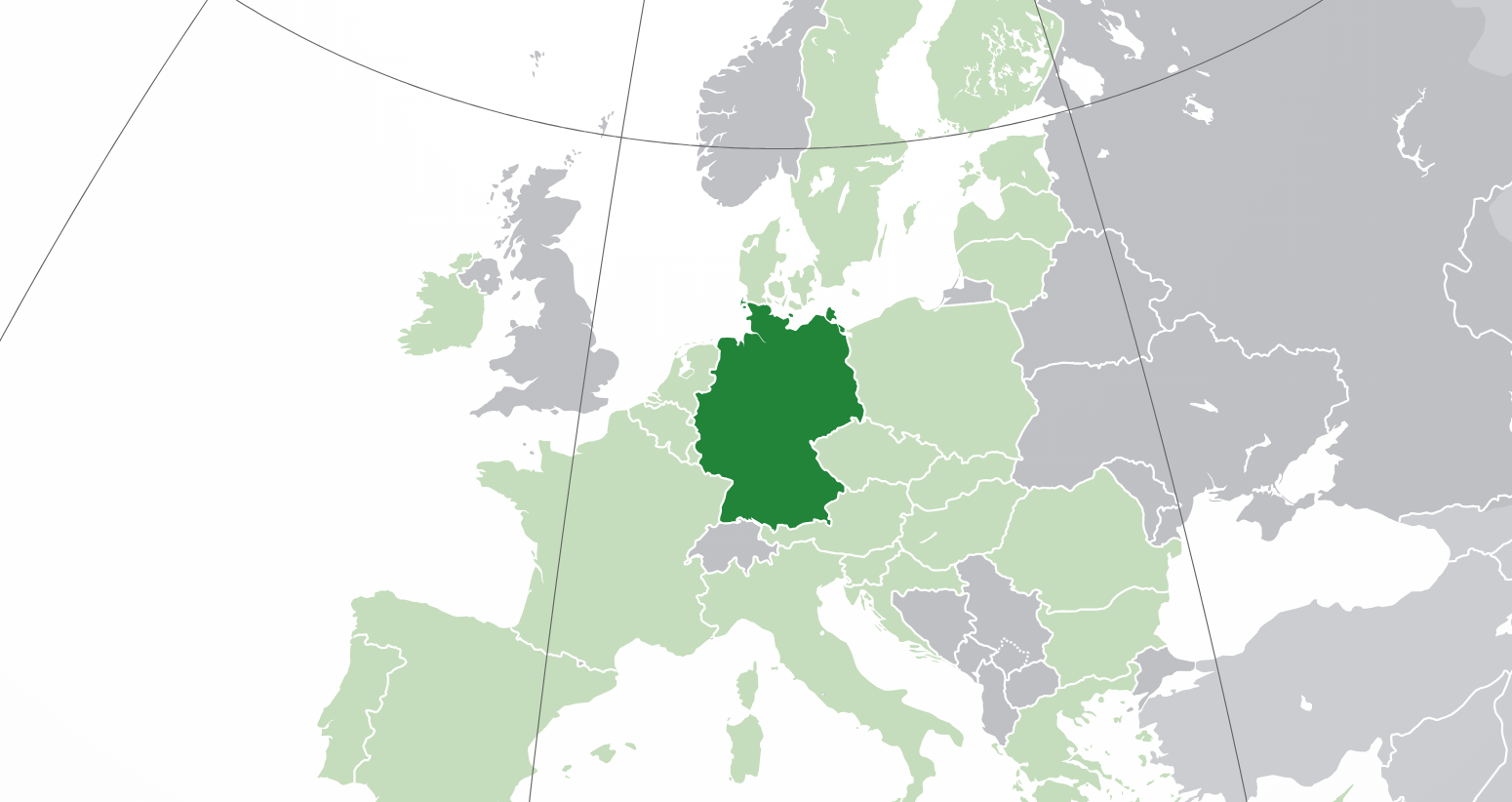
Germany on the Map. Image: Wikipedia
The location may also appeal to companies that prefer splitting infrastructure across multiple regions or hosting part of their services outside Russian jurisdiction. In recent years, the phrase “redundant infrastructure” has increasingly become IT shorthand for “a chance to sleep until the next monitoring alert arrives.”
Europe Becomes Another Infrastructure Anchor
The company says the new location is designed not only for hosting websites, but also for more advanced scenarios involving distributed applications, API services, and backup infrastructure nodes.
Frankfurt itself is hardly a surprising choice. The city has long been one of Europe’s largest network hubs, with local data centers handling a significant share of international traffic. When servers sit closer to the right routes, the internet occasionally stops behaving as if data packets are backpacking across half the planet.