English
 Русский
cloud provider Selectel got tired of waiting for hardware miracles and built its own AI server from scratch. The 8U platform is hungry for accelerators and packs a cooling system that could give a small hurricane a run for its money.
Iron Without the Hand-Wringing: 176 PCIe Lanes and Two Xeons
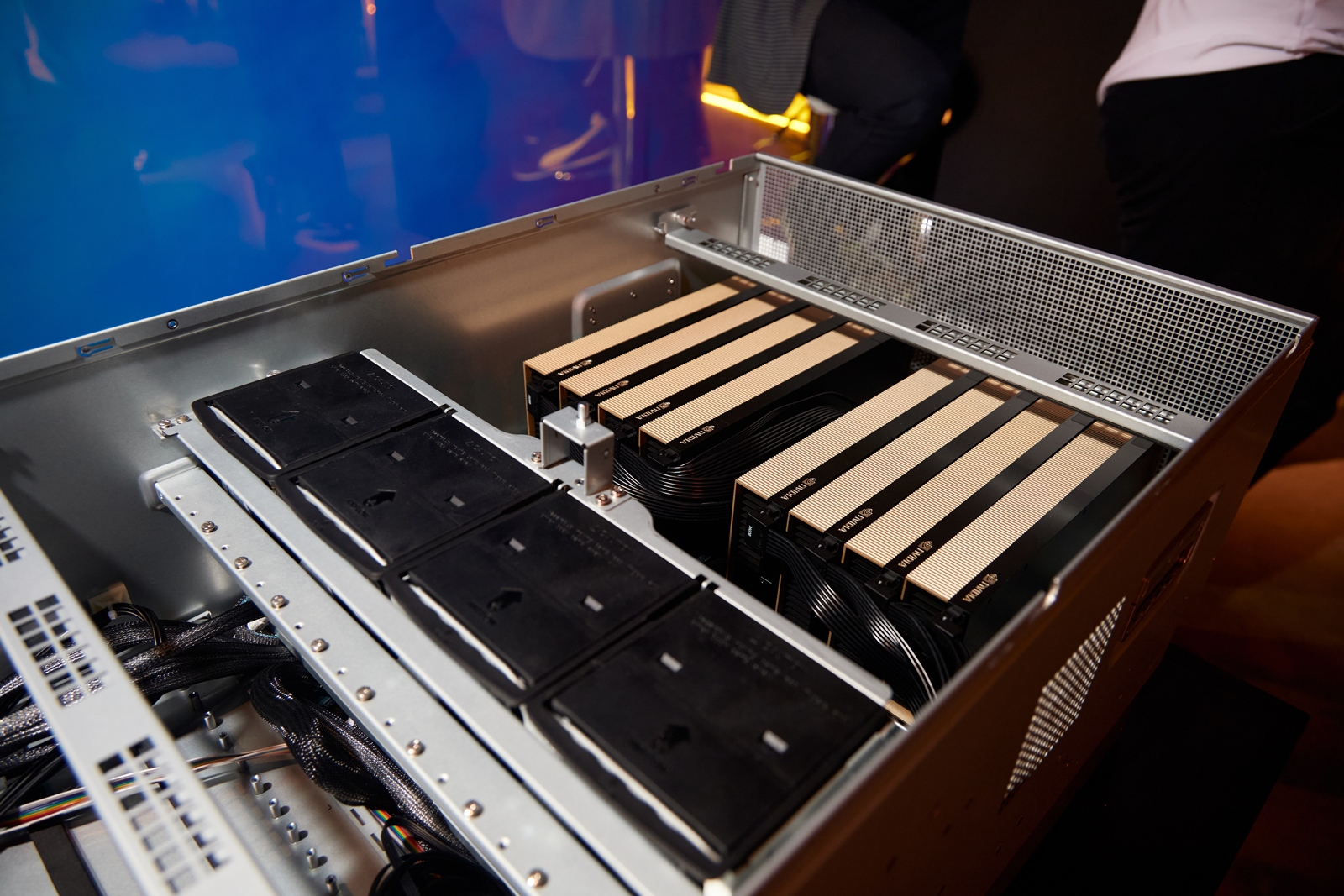
The new machine targets HPC workloads — inference, analytics, and rendering won’t know what hit them. Inside sits Selectel’s own motherboard with two Intel Xeon 6 processors, up to 4 terabytes of DDR5 RAM, and support for as many as 16 GPUs. For the spec-hungry: 176 PCIe 5.0 / CXL lanes, 12 slots for NVMe/SAS/SATA drives, and two M.2 PCIe 5.0 sockets.
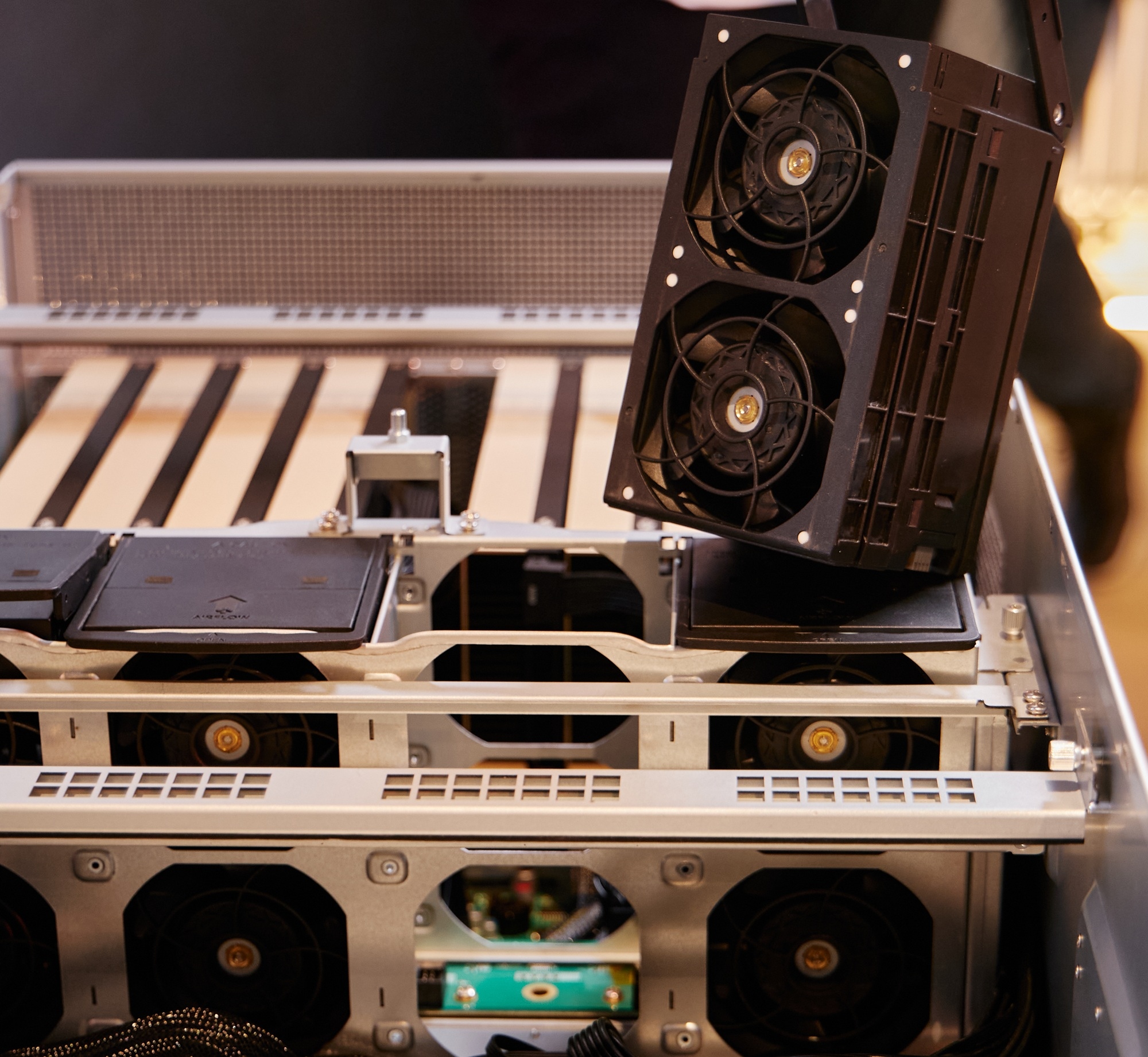
Engineers clearly didn’t skimp on power and cooling. The system deploys 12 fans, while power duties are split across seven units — five for the GPUs and two for the board. Remote management and a hardware TPM 2.0 security chip come standard, just in case anyone gets any funny ideas.
Who Needs This? Fintechs, Logisticians, and LLM Huggers
The server targets large companies in finance, telecom, retail, logistics, and industry. The idea is simple: run AI initiatives from customer support automation to supply chain optimization, or deploy large language models on-premises without waving goodbye to your data. Everything stays inside the corporate perimeter, with full control.
In addition, Selectel offers to test the server they developed — under the required load, free of charge
“The launch of the new AI server is part of Selectel’s strategy to build its own portfolio of server solutions, including specialized infrastructure products for AI tasks. The new hardware platform will ensure stable, fast, and predictable operation of AI models in real-world conditions with complete control over data and performance,” said Dmitry Shichenko, Head of Embedded Systems Development at Selectel.
Selectel also develops its own BIOS and BMC firmware. The company claims this allows quick tweaks based on customer requests without begging anyone for permission. Reinforced power and cooling subsystems are built for long, grueling shifts under load, and the chassis design won’t make data center technicians curse your name during routine maintenance.